Commercial Waste in Hoddesdon
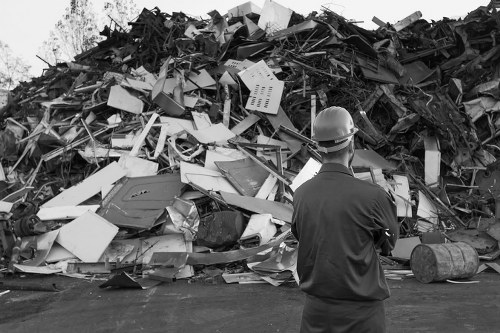
Commercial waste in Hoddesdon needs a practical, organised service that can deal with the everyday stream of workplace rubbish without disrupting trading hours. Our service covers business waste collection and removal for offices, shops, hospitality premises, light industrial units and other commercial sites that need a reliable way to clear bulky or recurring waste. We handle mixed loads, separated recyclable materials and awkward items with a sensible approach that keeps the process straightforward from the first enquiry to the final collection.
If you are comparing options, it helps to focus on what you actually need cleared, how often waste builds up and whether the material is general commercial rubbish or something that needs extra care. We can support one-off clearances and repeat waste removal arrangements, with clear communication about what can be taken and how the work is handled. Start with a simple outline of the waste you have, then use the available pages to look at service areas and planning details. A quotation is easiest to prepare when the scope is specific.
For a broader view of the work we do, you can read more about business waste removal and how it applies to regular workplace clearances. If you are already ready to discuss your waste, a short message with the main items and access details is the best place to begin. Please request a quotation when you are ready and we will help you plan the next step.
Business waste collection for day-to-day operations
Every workplace generates waste in a different way. Some sites need a tidy-up after refurbishments or stock changes, while others simply need regular removal of accumulated rubbish, packaging and broken office items. Our commercial waste service is built around those practical differences, so the load can be handled in a way that suits the premises rather than forcing a one-size-fits-all approach. Where items are suitable for recycling, we aim to separate them into the right streams as part of the collection process.
Work can include general rubbish from back offices, stockrooms, break areas and storage spaces, as well as items that are no longer useful but still too bulky for standard bins. We also support clearances where a site has mixed materials that need sorting before removal. If you need a little more background, the waste removal page explains the wider service approach, while the rest of this page focuses on commercial jobs and the decisions that shape them.
What is usually considered when planning a business waste job is the type of waste, the volume, the floor level, and whether access is straightforward or limited. Those details help to decide the right size of team and the most efficient way to load the material. A concise list is often enough to begin:
- general commercial rubbish and mixed office waste
- packaging, cardboard and shop-floor waste
- bulky items from work areas or storage rooms
- clearances following internal reorganisation
Office waste clearance and equipment disposal
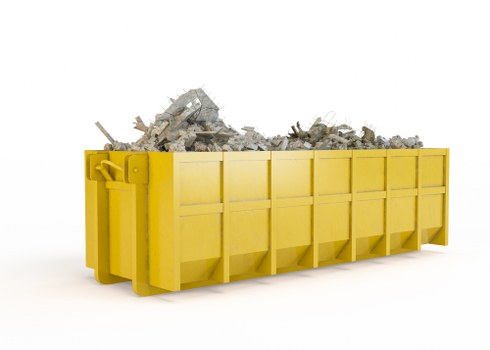
Offices often need a more careful approach than simple rubbish collection. Desks, chairs, cabinets, monitors, printers and archive materials all call for different handling, especially where space is tight or the site is still in use. Our office waste clearance service is designed to remove unwanted items efficiently while keeping the work area as orderly as possible. It is useful for businesses that are downsizing, replacing equipment or clearing out storage areas that have filled over time.
We can also support the removal of unwanted furniture and office items as part of a broader commercial clearance, including mixed loads that contain both loose waste and larger pieces. Where confidential material is present, separate handling may be needed, and the correct approach depends on the contents rather than a generic rule. For businesses that want to plan carefully, the office clearance page gives a clearer view of the service category, while this homepage stays focused on commercial waste in Hoddesdon.
When you request a quotation, it is useful to mention whether the items are spread across one room or several, whether lifts or stairs are involved, and whether anything needs to be taken apart before removal. That information helps us estimate the work accurately without overcomplicating the process. If you are gathering details for approval, a brief inventory and a few notes about access are often enough to move things forward.
Clearance of bulky items and mixed business furniture
Commercial sites often accumulate furniture and fixtures that are still usable in theory but no longer fit the current layout. Desks, shelving, meeting tables, filing units and seating can take up significant room, especially when several items need to go together. Our furniture-related clearance work is intended for businesses that want those pieces removed as part of a tidy, organised service rather than left to become an obstacle in the workplace.
Depending on the material and condition, some items may be suitable for reuse pathways or recycling streams, while others are simply removed as waste. The most practical route depends on the actual load, not on assumptions about how it should be treated. If furniture is the main concern, the furniture clearance page may help you separate that from other waste types, and the related furniture disposal page explains the disposal side of the service in more direct terms.
For many commercial customers, the decision is less about single items and more about how the whole space will be cleared in one coordinated visit. That can include a few heavy pieces plus smaller waste from the same room, or a larger collection of mixed items from several areas. Good planning keeps the job efficient, and it usually begins with the layout of the premises, the size of the items and whether any lifting constraints need to be considered.
Removal of appliances, fixtures and specialist waste
Some commercial waste is more specific than ordinary office rubbish. Businesses may need unwanted appliances, fixtures or bulky items removed from kitchens, break rooms, storage areas or staff facilities. Our service can include fridges and other appliances where appropriate, along with items that need a little more care because of their size, weight or material type. The aim is to keep the process practical while making sure the waste is dealt with in the right way.
Specialist waste has to be approached according to the item itself. Certain materials or products may need separate handling, and it is sensible to identify them before the collection takes place. Where businesses have mixed waste that includes items requiring additional attention, the overall job can often be arranged alongside standard commercial clearance. For more targeted reading, you can look at fridge and appliance removal or, when applicable, the more cautious route set out on hazardous waste disposal.
Not every collection needs a complicated explanation, but it is helpful to say whether appliances are still connected, whether they are in a ground-floor or upper-floor position, and whether there are any restrictions on moving them through the building. Those practical points influence the work more than the brand or model of the item. If your enquiry includes a mixture of standard waste and a few specialised pieces, say so plainly so the quotation can reflect the full scope.
Garage, loft and storage-space clearances for businesses
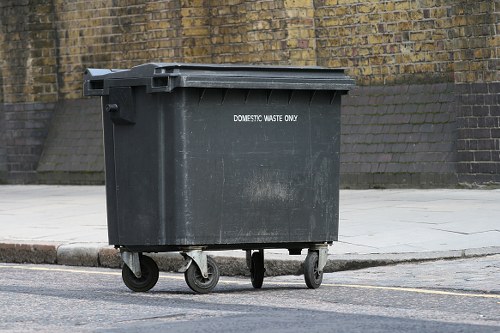
Many businesses use garages, lofts, outbuildings or back storage rooms as temporary holding areas, only to find they have become long-term places for surplus stock and unused items. Our clearance work can deal with these spaces when they are part of a commercial property or business operation. The service is helpful where materials have built up out of sight and now need to be removed so the area can be used properly again.
Storage-space clearances often bring together a mixture of waste: broken shelving, packaging, old paperwork, spare furniture and miscellaneous items that have simply stayed too long. The right approach is to sort the load into what can be removed and what, if anything, needs separate treatment. If you are weighing up the different kinds of space involved, the garage clearance and loft clearance pages give useful topic pages that sit alongside this commercial service.
Because these jobs often involve constrained access or awkward carrying routes, it helps to describe the space rather than just the items. Mention steps, narrow doorways, low headroom or any other features that may affect the collection. That does not need a long explanation, only enough detail to show how the work should be planned. The more accurate the description, the easier it is to prepare a quotation that reflects the real job rather than a generic estimate.
Business waste removal after refits, moves and stock changes
Commercial waste is not always a routine issue. It can rise suddenly after an internal move, a display refresh, a store rearrangement or a practical overhaul of the working space. In those situations, the waste is often mixed and time-sensitive, with packaging, broken fittings, redundant furniture and general rubbish all arriving together. Our business waste removal service is suited to those moments when the site needs to be reset quickly and tidily.
Refit-related waste can be straightforward, but it still benefits from a sensible sequence. Some items may be ready to load directly, while others may need to be grouped by room or type before collection begins. For customers wanting more context on how the wider service fits together, the book online page is a useful route for moving from a decision to an enquiry, while the pricing and quotes page explains how quotations are framed.
When a workplace is changing shape, it is worth identifying which items are waste, which might be kept, and which should be set aside for a different decision. That small bit of sorting can save time at collection and prevent confusion on the day. If you are preparing an enquiry, two or three clear notes about the project stage, the amount of waste and the access route are often enough to start.
How we manage commercial waste loads
Different loads need different handling, and that is especially true when the waste is generated by a business rather than a domestic property. Some collections are simply about lifting bulky rubbish from a clear space, while others require sorting mixed materials into more suitable streams. We keep the approach practical and proportionate, so the collection matches the waste instead of asking the customer to fit an inflexible process.
Typical factors that affect the shape of the work include the volume of waste, the type of material, how easy it is to reach, and whether there are heavier items that need additional handling. Those points are not just administration; they influence the time, the loading method and the number of people needed. If you want to understand how we manage quality and handling, the insurance and safety page and the health and safety policy page provide supporting information.
Commercial customers often find it useful to group waste into broad categories before asking for a price. For example, packaging and loose rubbish may be one group, furniture another, and appliances or specialist items a third. That makes the quotation process clearer and reduces the risk of overlooking something important. It also helps us advise whether the load is best treated as a single clearance or as more than one part.
Recycling, reuse and responsible disposal
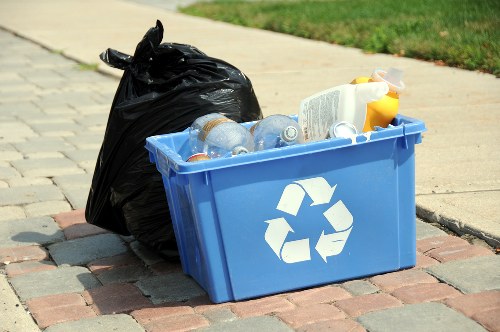
Responsible disposal matters in commercial waste work because many items can be separated, assessed and directed away from the general waste stream where appropriate. Cardboard, some office materials, selected furniture components and certain fixtures may all be handled differently depending on their condition and composition. Our approach is to keep that process straightforward and honest, with the load dealt with in a way that is practical for the business and considerate of the material itself.
Where materials can be reused or recycled, that depends on what is actually present and how it has been stored or used. We do not assume that every item can be diverted, but we do aim to handle waste carefully and sensibly within the service requested. If sustainability is an important part of your decision-making, the recycling and sustainability page gives a helpful supporting overview, while this service page stays focused on commercial waste in Hoddesdon.
Businesses sometimes ask what should be set aside before collection. The simplest answer is to keep anything you want to retain separate, identify obvious specialist items, and leave the rest for review as part of the quotation. That approach avoids confusion without turning the process into an office exercise. If a load contains mixed items, say so directly and we can help decide whether it should be handled as one visit or divided more sensibly.
About Hoddesdon
Hoddesdon is a town in Hertfordshire, located within the Lea Valley and set close to the route of the New River, the seventeenth-century artificial watercourse built to bring drinking water into London. The town grew from a market settlement into a more developed local centre, and traces of that longer history remain in its street pattern and in the character of the older buildings around the centre. Like many places in the lower Lea Valley, its identity has been shaped by transport connections, changing land use and the mixture of residential, commercial and green spaces that sit alongside one another. The town is also known for its proximity to the River Lea and the associated waterways and open spaces that influence the wider landscape of the area. Hartham Common, the nearby countryside and the network of paths through the valley give the town a softer edge than a purely urban setting, while the centre itself retains the feel of a working market town with everyday services, shops and civic buildings. Hoddesdon’s historic core includes a number of older streets and listed structures, and the town continues to sit between larger neighbouring places while maintaining its own recognisable local character. That combination of waterway history, settlement growth and ordinary market-town life gives Hoddesdon a layered identity that is easy to miss at first glance but clear when the place is considered as a whole.
Commercial waste support that fits the work
Commercial waste jobs are easier to manage when the service is matched to the actual setting. A small office clearance, a stockroom tidy-up and a mixed-property clearance all need different handling even when the overall goal is the same. Our role is to keep the process orderly, practical and suited to the material being removed, rather than forcing a single method onto every enquiry. That is why the details of the waste matter so much from the outset.
We also recognise that business waste is often part of a wider change: a relocation, a refit, a seasonal reset or a long-delayed clear-out. In those cases, the best result usually comes from thinking about the whole space, the access route and the items that are definitely staying versus those that are ready to go. If you need a final point of reference before making contact, the contact us page is the most direct way to begin. Request a quotation when you are ready and we will help you turn the waste list into a practical collection plan.
For businesses that want a straightforward next step, the most useful action is to outline the site, the waste types and any timing limits in a few plain sentences. That gives enough context to respond sensibly without making the process longer than it needs to be. If you prefer to compare service information first, the pages on business waste, office clearance and pricing give a fuller picture of the available options.